Photo by Claudio Schwarz | @purzlbaum on Unsplash
When your gift aid and Federal Direct Student Loans don’t cut it to pay for all your college costs, consider Private Student Loans. These types of loans are sometimes referred to as alternative loans. These types of loans can be great ways to help you pay for college. Just make certain that you know these seven things about Private Student Loans before you take one.
1. Know Who the Lender Is
Private Student Loan lenders can be banks, credit unions, state agencies, non-profits or even your college. They all want to help students to borrow funds to pay the cost of attendance. Just know that each lender establishes its own terms and conditions for their Private Student Loan such as the interest rate, repayment length, and fees.
2. You May Need a Co-Signer
Typically undergraduate students will need a creditworthy co-signer to qualify for Private Student Loan. Most often, students ask a parent or relative to be their co-signer. A good co-signer has a positive, robust credit history and is someone you can communicate about financial matters in the hard and easy times.
If you want to try to apply for a Private Student Loan without a co-signer, just know that the lender may expect you to have a lengthy credit history of your own and may require that you can demonstrate a steady income of your own, even while you are attending college.
Pro Tip: Find out if your lender offers a co-signer release. Depending on the lender when you can make 36 or 48 on-time payments of your Private Student Loan, they will release your co-signer from the loan. That means the co-signer is no longer responsible to pay if the student does not. Plus, the loan may be removed from the co-signer’s credit report.
3. Most Often Your Interest Rate is Based on Credit
Customarily, the lender will decide your Private Student Loan interest rate will be based on the credit strength provided by your co-signer. The better the credit strength, the better the interest rate. Some lenders have a 3-5 groups of credit strength categories based on the credit score of the co-signer whereas others may have dozens of categories. Our Quatromoney College Financing Planner buckets interest rates into self reported credit strength categories of Excellent, Strong, Good, and Not So Good so that you can get the best estimate of your college financing costs and monthly repayment for your entire degree whether you are going to college next year or ten years from now.
Private Student Loans can be either variable rate or fixed rates. A variable interest rate is an ongoing finance cost that changes monthly, quarterly or annually that is typically pegged to an index, plus a margin. A fixed interest rate remains the same for the entire term of the loan.
Interest commonly accrues from disbursement. Some lenders may allow borrowers to opt to defer all payments of interest and principal while in-school payment and during the 6-month grace period.

4. Frequently There are No Loan Fees
Unlike Federal Direct Student Loans, Private Student Loans generally have no loan fees. That means that the lender disburses the exact amount that you borrowed to your college to help pay for college costs.
5. Typically Can Borrow What You Need
Most lenders allow students to borrow up to the cost of attendance minus all other financial aid for a given academic year. But just because they have high borrowing limits, does not mean you have to borrow that much. Only borrow what you need. Many lenders have an annual minimum borrowing amount, commonly this is $1,000 but could be more.
6. Private Student Loans Have Less Repayment Flexibility
Typically, these Private Student Loans offer limited deferment and forbearance options. This means that you have limited periods of time over the life of your loan that you can ask your lender to temporarily postpone repayment of interest and principal if you lose your job, go for an advanced degree, or are having some other financial hardship.
Plus, most Private Student Loans do not offer loan forgiveness, loan discharge or cancellation options. Some lenders have begun to offer loan cancellation if the primary loan borrower dies. Consult you lender to understand what if any loan repayment flexibility an cancellation options that they offer.
7. Private Student Loans Help You to Build Your Credit History
Like credit cards and other loans, Private Student Loans are reported to the
major credit reporting agencies. This means that when you borrow these loans, you are establishing a credit history. Just like other forms of credit, if you make required payments on-time, then you can establish a positive credit history. If you can’t make a payment on-time for any reason, contact your lender to ask if they have any options to pay late or skip a payment. If you don’t, then the late payment or nonpayment is noted on your credit report and you will take a negative hit to your credit score.
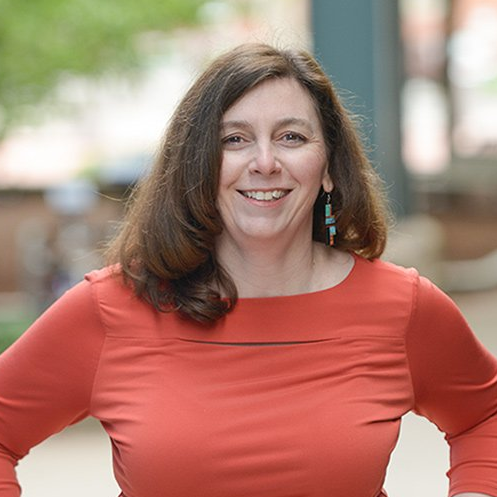
Colleen Krumwiede
Co-Founder & Chief Marketing Officer
Colleen MacDonald Krumwiede is a financial aid and paying for college expert with over a decade of financial aid experience at Stanford GSB, Caltech, and Pomona College and another decade at educational finance and technology companies servicing higher education. She guides go-to-market strategy and product development at Quatromoney to transform the way families afford college.
Share
Recent Posts