Affordable Mental Health Options in College
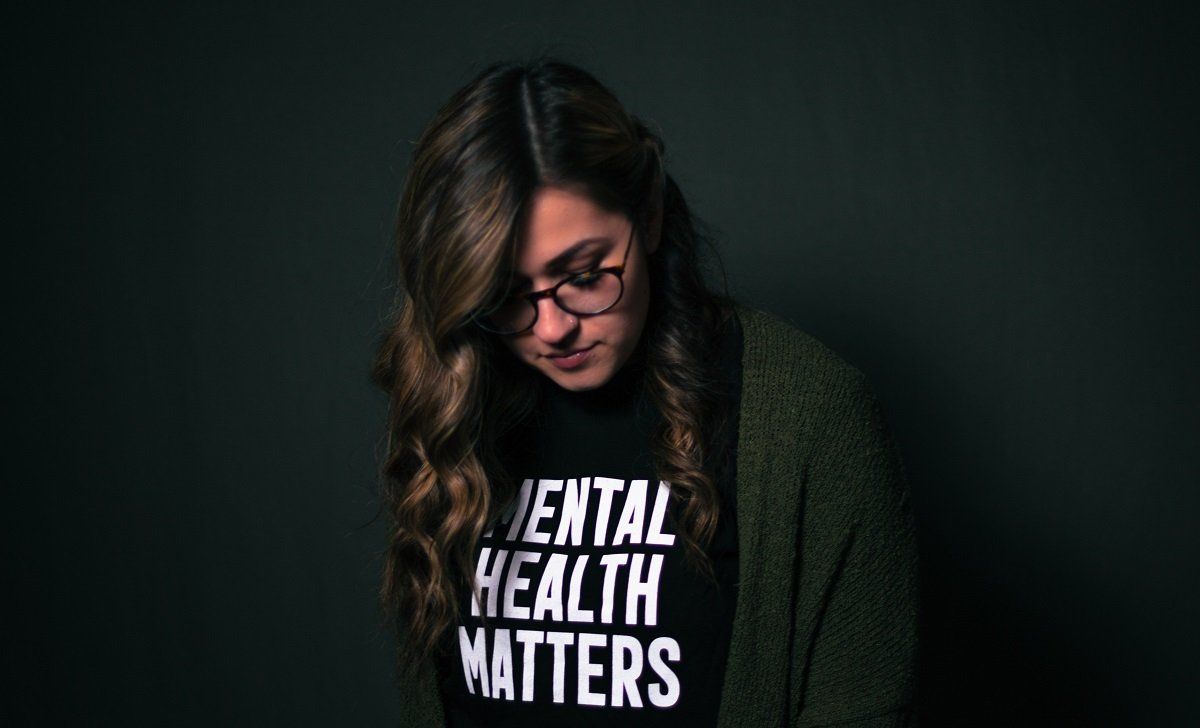
Photo by Matthew Ball on Unsplash
According to American Psychological Association, between 2007 and 2017, the rate of college students receiving mental health treatment rose from 19% to 34%. Although there is no source for national data, antidotal articles from many colleges experienced large increases in students seeking out mental health resources during the pandemic. During college, 1 in 5 students who also face a mental health condition and nearly three-quarters of mental health conditions emerge by age 24 according to National Alliance on Mental Illness (NAMI). This means that many college students face their first mental health concerns and may not know where to go for support.
According to Good Therapy, therapy generally ranges from $65 per hour to $250 or more. In most areas of the country, a person can expect to pay $100-$200 per session. Many therapists work with a sliding scale fee schedule, which means their fee will depend on your income level, which some college students may be able to access.
The great news is that many colleges offer affordable therapy options. For instance, University of Kansas Counseling and Psychological Services (CAPS) offers $15 50-minute individual therapy sessions and $15 1.5-hour group therapy sessions. At the Claremont Colleges, the Monsour Counseling and Psychological Services (MCAPS) offers no fees for counseling services.
Also, many campuses have student-led, student-run mental health organizations on college campuses. Some may be affiliated with national mental health organizations like NAMI on Campus Clubs and Active Minds to raise mental health awareness with fairs, walks and candlelit vigils and educational programming with presentations, guest speakers and student panels. Others address specific populations or specific mental health issues like the UCLA Beautiful Minds Project to support mental health in the Muslim community, Ohio State’s Black Mental Health Coalition, or NYU’s MannMukti to support mental health in South Asian communities. Many of these student clubs work to eliminate the stigma surrounding addressing mental health issues. Some offer support groups, advocate for college policy changes on leave of absence, promote faculty training on mental health issues, and much more.
Students with psychiatric disabilities are entitled to reasonable academic accommodations as provided by the American Disabilities Act (ADA) of 1990 and 2008 amendments. This means that colleges must provide effective accommodations to allow students equal access to academic courses and activities. Most often at no or low costs to the student. According to the Best Colleges, academic accommodations to help students with their mental health may include:
- Priority class registration
- The option to reduce your course load
- Substituting one class for another
- Access to notetakers and recording devices
- Individual study skill training
- Support for specially trained mentors and tutors
- Extended assignment deadlines and more time on tests
- A private room when taking tests
- Additional time for testing
- Transportation services
- Special on-campus accommodations
- The ability to switch rooms and/or roommates
- Leave of absence that does not hinder you financially or academically (e.g., the ADA considers retroactive withdrawal due to mental health challenges a reasonable accommodation)

Since college life can be so all encompassing, many students find it hard to notice changes in their mental health. Consider recording any daily symptoms and/or general feelings of mental stress, so you can better recognize worsening conditions and seek support.
To proactively take care of your mental health in college, try out this list of technigues to maintain your mental health from Better Up:
- Maintain a routine
- Build strong friendships
- Focus on all aspects of your health: diet, exercise, sleep, financial health, reduce risks
- Try new things or stick to the familiar
- Set small goals
- Focus on the positive and keep things in perspective
- Keep learning about yourself
Pro Tip: When in doubt about your mental health, reach out. There are always people who are willing to listen to you. For some college students, this means reaching out to friends or family members. For others, this means using the confidential resources on campus or through your established mental health professions. In case of emergency, it's also good to know that the National Suicide Prevention Lifeline and SAMHSA’s National Helpline are also available.
Colleen Krumwiede
Co-Founder & Chief Marketing Officer
Colleen MacDonald Krumwiede is a financial aid and paying for college expert with over a decade of financial aid experience at Stanford GSB, Caltech, and Pomona College and another decade at educational finance and technology companies servicing higher education. She guides go-to-market strategy and product development at Quatromoney to transform the way families afford college.
Share
Recent Posts
Quatromoney